Golfers embrace CBD, even though its softness is questioned
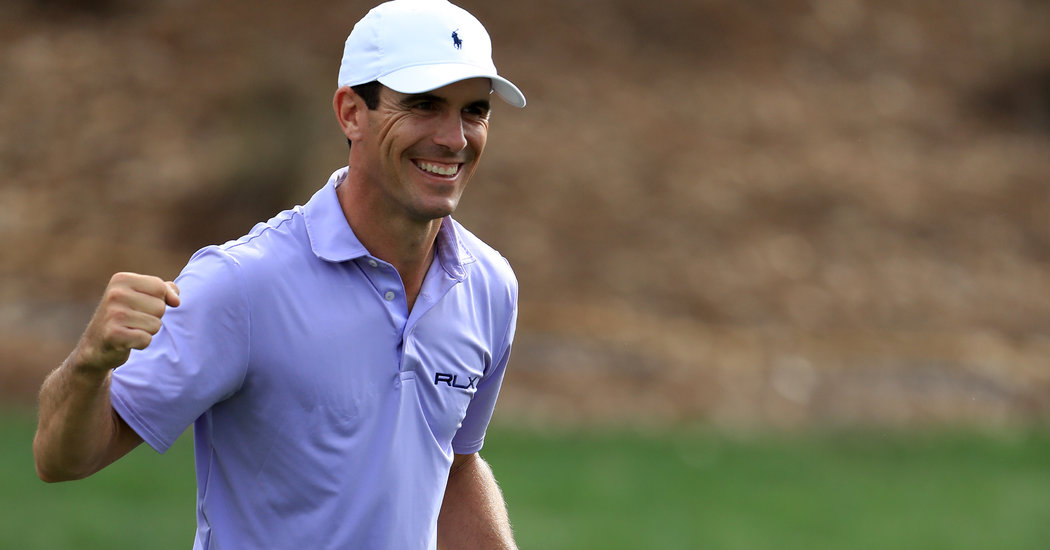
Billy Horschel went six months without a top-eight finish last year before he found a cure for his ailing golf game from a surprising source: the hemp plant. Horschel, a five-time PGA Tour winner, started using cannabidiol or CBD products shortly after he missed the cut at the British Open in July. He had four top-eight finishes in the next four months and played some of the most consistent wave of his career before the season was suspended in March due to the coronavirus pandemic.
Horschel, the 2014 FedEx Cup champion, is convinced that the Beam-infused topical creams and powders from the Beam company have contributed to his return to peak form by improving his sleep quality and inflammation in his knees and ankles. Horschel is so optimistic about the products, he recently became an investor in Beam.
He is the latest in a growing group of tour members, including Bubba Watson, a two-time Masters champion, and Scott McCarron, the reigning Schwab Cup winner of the Champions Tour, who are paid sponsors for CBD products. Their plea seems to point to a growing acceptance of CBD use in the conservative world of professional golf, which is slowly distinguishing between recreational and medicinal use of marijuana-derived products. The chemical compound, used to treat a variety of conditions from pain and inflammation to anxiety and epileptic disorders, has been legal for golfers since the World Anti-Doping Agency removed CBD from its list of banned substances in 2018.
But allowing its use is not the same as subscribing to it. Tour officials warned players last year that they were at risk of breaking a drug test if they used CBD products, as they are subject to limited government regulations and may contain THC, the psychoactive substance in cannabis that is banned. The tour's anti-doping policy lists cannabis with drug abuse such as cocaine, which is why Horschel initially shunned the CBD products for fear of failing a drug test and gaining a reputation as a stoner, which smeared the tour's sophisticated image.
"There is still not enough right information," Horschel said in a recent interview, "but that image that smokes weed is just because people don't have the right information has been canceled. & # 39;
In the past year, two players, Robert Garrigus and Matt Every, served a 12-week suspension after failing drug tests in tournament week for THC, both of whom said they had marijuana for medical purposes in states where it is legal, their passionate defense that drives home the general perception in the men's game that nothing, not even a performance-enhancing drug offense, shatters the tour's genteel veneer more than a failed test for a supposed drug of abuse even if the drug was legally obtained.
Garrigus was particularly vocal about the tour's drug policy, allowing players to make exceptions to therapeutic use. Ask for prescription pain relievers, but rarely approve exemptions for marijuana.
"The fact that it is currently socially unacceptable to cannabis and CBD is astonishing to me," said Garrigus. "It's okay to take OxyContin and blackout and run into a lot of people, but you can't use CBD and THC without someone looking at you funny. It doesn't make sense."
McCarron said he first heard about CBD from his wife, Jenny, a competitive triathlete, who read about its use among athletes in her sport. "The PGA Tour doesn't like to own him," said McCarron. " They say, "Well, it's all the rage." But this stuff works. "
Andy Levinson, who oversees the tour's anti-doping program, which runs during tournament weeks, cited the lack of regulation of CBD products as a concern Last year, he pointed to a 2017 study by the American Medical Association that found THC in more than a fifth of the CBD products sold and tested online.
“There does not guarantee that what is on the label is what is in the product, "said he.
Levinson's warning gave Horschel a break, so he chose a company, he said, to subject his products to three independent tests to make sure they are THC. free.
Horschel said he had been tested for drugs twice in tournament weeks since he started using the product. He said he was more concerned that the Claritin-D tablets he is taking for his allergies would provoke a positive test than his CBD use.
For players who regularly cross time zones and routinely finish rounds around meal time in one day and then finish early the next morning, insufficient sleep is practically an occupational hazard. Horschel said that if he had a start time in the afternoon, followed by an early morning lap the next day, he might only get four hours of sleep because he would have so much adrenaline in his system after his late finish.
"It would take so long to calm down and close my brain a bit," Horschel said. Beam & # 39; s sleep product "helped a lot with that," he added.
As McCarron sees it, players are better off with CBD products than with a prescription drug. "Ambien, Xanax, all those drugs are so bad for you," McCarron said after last season's season finale in the Champions Tour, where players are more open about their CBD use, their chronic aches and pains caused by decades of wear and tear and cracks on their bodies and may encourage them to speak. Referring to CBD, McCarron continued, "Why not promote it? I wish the tour would be a little more behind it.
A CBD company, CV Sciences Inc., was an official sponsor of the San Diego tour stop in January, and the products have received significant unofficial exposure information. When Phil Mickelson, a five-time grand champion, started chewing gum during competitive rounds last year, he caused widespread rumors that he was chewing CBD gum, a position McCarron holds. "Tiger? Yeah, he's chewing it," McCarron said. "Phil? He chewing it."
Speculation intensified during the second round of last year's Masters, when Mickelson was caught on TV while squirting a liquid into his mouth with an eye dropper while waiting for a shot. Tiger Woods chewed gum all week on the way to the title, then explained that it helped reduce his appetite. If Woods was chewing gum that he chewed on – he declined to say – he had plenty of reasons not to unnecessarily confuse the public, perhaps remembering Woods being arrested on a D.U.I. in 2017 he had THC in his system.
Mickelson, who won his 44th tour title at the age of 48 last year, said the gum he chewed was infused with caffeine, not CBD. "The rumors that I am involved in any capacity with CBD are not true," he said in a text message. "It's something I've looked at. I've tried it, but I'm not using it now."
Before the season was suspended, Horschel had an ankle tendon injury that he treated with a CBD-infused cream, causing he could continue playing without pain. "It allows you to recover better and overcome pain in a more natural way," he said.
There is only one cure for aches and pains that is better, Horschel said , and that's the one that was forced on all players from the past two months: rest.


